
A shower curtain looks like a simple product. In reality, it sits in a warm, humid environment for years, touches bare skin, and in commercial settings is used by hundreds of people a week. That combination makes material safety something buyers increasingly have to prove, not just promise.
This guide walks through where the real risks sit in a shower curtain, which regulations actually apply, and what to ask a supplier before placing a wholesale order.
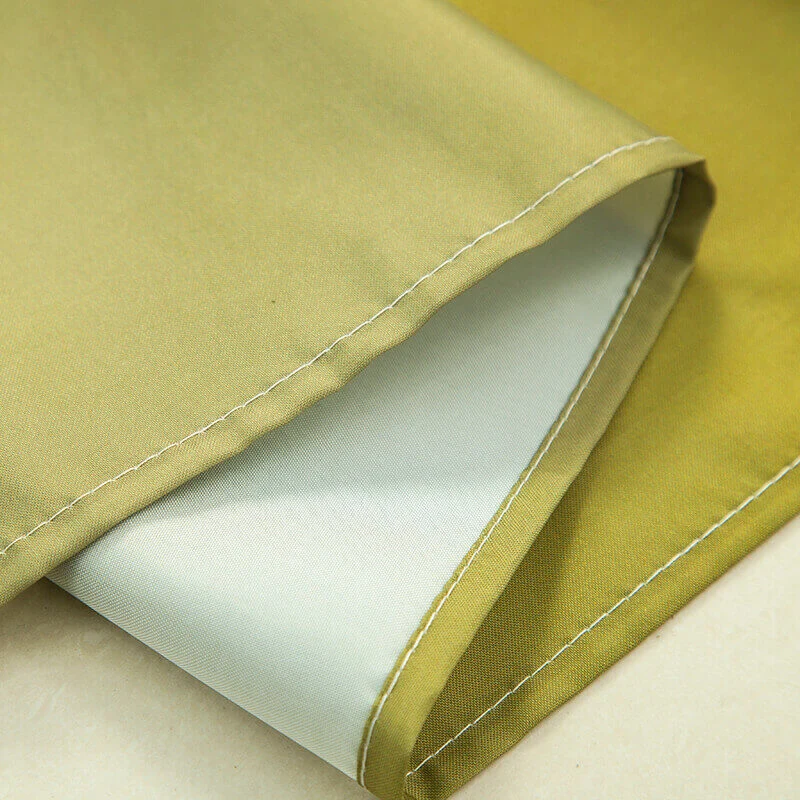
Where the Risks Actually Come From
Most concerns about shower curtains trace back to four places: the base polymer, the waterproof coating, the anti-mildew treatment, and the printing inks. Everything else — stitching, grommets, hem weights — is low risk.
1. Base Material: PVC vs PEVA vs Polyester
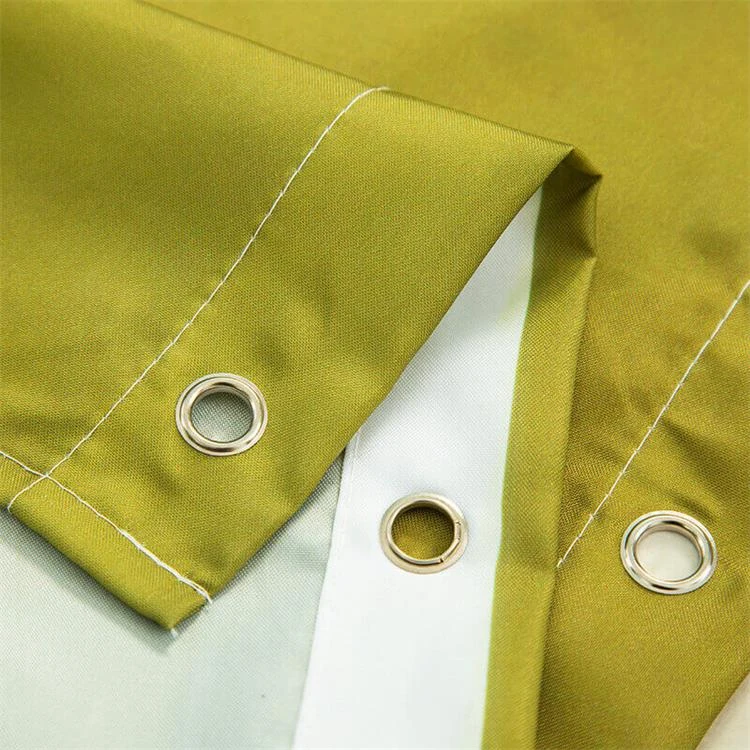
PVC (vinyl) is the cheapest and most waterproof option, but it requires plasticizers — historically phthalates — to stay flexible. Certain phthalates (DEHP, DBP, BBP, and others) are restricted under EU REACH Annex XVII and are on California Prop 65 lists. PVC also carries a distinct smell when new and is difficult to recycle.
PEVA (polyethylene vinyl acetate) is chlorine-free, needs no plasticizer to stay soft, and is the most widely accepted “PVC-free” alternative. It still smells faintly when new but the odor dissipates quickly, and it can be recycled in some streams.
100% polyester fabric with a waterproof back coating is the premium and most common choice for printed and textile-look curtains. It’s breathable on the room side, machine washable, and easy to certify — which is why it dominates hotel and licensed-print programs.
| Material | Chlorine | Plasticizer Needed | Typical Compliance Note |
|---|---|---|---|
| PVC | Yes | Yes | Phthalate limits under REACH / Prop 65 |
| PEVA | No | No | Generally passes phthalate screening |
| Polyester + coating | No | No | OEKO-TEX achievable; check coating chemistry |
2. Waterproof Coatings
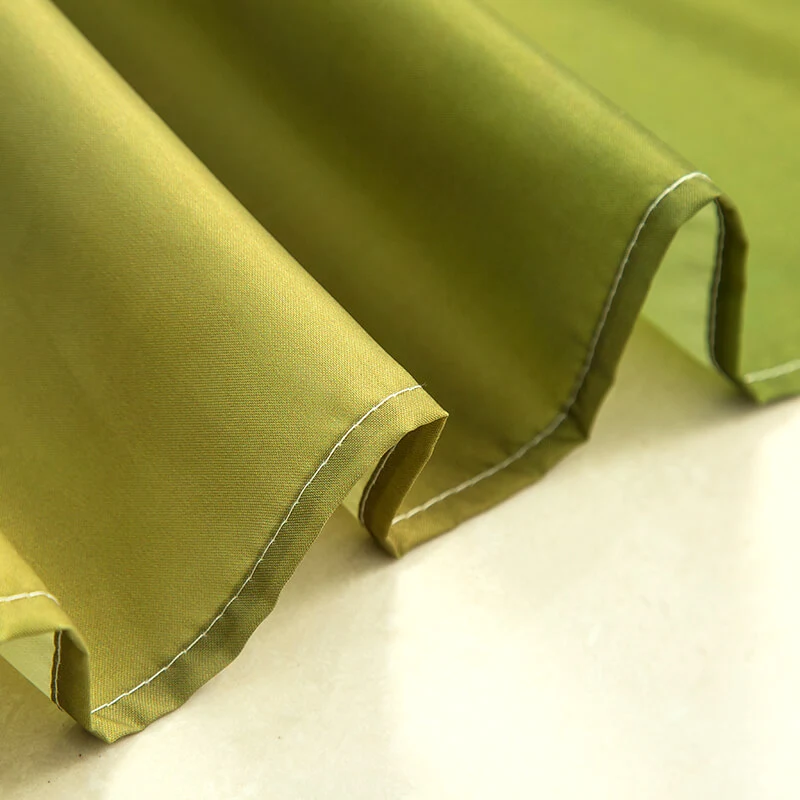
The waterproof layer is where formulators have the most room to choose. Two categories matter:
- Fluorinated (PFAS/C6, C8) repellents — extremely effective at repelling water and stains, but PFAS are under heavy regulatory pressure in the EU and several US states. If your market includes the EU, California, Maine, or Minnesota, ask specifically whether the coating is PFAS-free.
- Polyurethane and acrylic coatings — the mainstream PFAS-free alternatives. Good water resistance, breathable, and significantly easier to document. This is what most compliant suppliers now use.
Ask for the coating’s chemistry in writing. “Waterproof” alone tells you nothing about compliance.
3. Anti-Mildew Treatments

Most “mildew resistant” claims come from one of three routes:
- Physical — a breathable fabric that dries fast simply doesn’t hold water long enough for mildew to grow. No chemistry required, and the safest claim to make.
- Silver-ion or zinc-based additives — effective at low concentrations and generally well accepted. Ask for the additive’s safety data sheet.
- Biocides (e.g. isothiazolinones, triclosan-type agents) — effective but increasingly restricted. The EU Biocidal Products Regulation (BPR) governs what can be used and at what concentration. Triclosan is banned in some US states for consumer antiseptic use and is not a good choice for a product that touches skin.
Note the wording carefully: “mildew resistant” and “anti-microbial” are different claims with different evidence requirements. A supplier that uses them interchangeably is a supplier to question.
4. Printing Inks and Odor

Digital printing on polyester typically uses water-based disperse inks, which are low-risk once cured. The bigger practical issue is residual odor from insufficient curing or from solvent-based adhesives in laminated constructions.
A strong “new plastic” smell that lasts more than a few days usually means one of three things: unreacted plasticizer (PVC), a solvent-based coating that wasn’t fully dried, or packaging sealed while the product was still warm. For a retail product, this generates returns regardless of whether it’s technically hazardous.
Which Regulations Actually Apply
EU REACH
Annex XVII restricts specific substances — most relevantly certain phthalates, and increasingly PFAS. Any shower curtain placed on the EU market must comply. Buyers should request a REACH compliance declaration plus test reports for the specific restricted substance list relevant to their material.
California Prop 65
Prop 65 requires warning labels for products exposing users to listed chemicals above threshold levels. Phthalates (DEHP, DINP, DBP, BBP, DIDP) and lead are the most common triggers for plastic bathroom products. Even if your product technically complies, missing a required warning is itself a violation in California.
OEKO-TEX Standard 100

This is a voluntary textile certification testing for harmful substances, with classes I-IV based on skin contact intensity. A shower curtain is usually tested to Class II (articles with large surface contact with skin). It’s one of the clearest, most buyer-friendly proofs of material safety and is worth requesting for any textile-based curtain.
Other Relevant Standards
- CPSIA / CPC — required for children’s products in the US, including children’s-themed shower curtains with lead and phthalate limits
- EU BPR — governs biocidal anti-mildew additives
- GB 18401 — Chinese national textile safety standard (A/B/C classes), relevant if the product is also sold domestically
- Flame retardancy — commercial and hospitality specifications often require NFPA 701 or equivalent; this is a performance spec, not a chemical one, but it drives material choice
Compliance Checklist by Buyer Type
Retail brands and e-commerce sellers
- Material declaration in writing (base polymer + coating chemistry)
- Phthalate screening report if any PVC is involved
- PFAS-free declaration for EU and US West Coast markets
- Prop 65 assessment, and warning labels where required
- Care label and country of origin marking
Children’s product sellers
- CPC (Children’s Product Certificate) for the US market
- Lead and phthalate testing to CPSIA limits
- No small detachable parts; secure grommets and hem weights
- OEKO-TEX Class I if the product is marketed for infants
Hotels, spas, and commercial buyers
- Flame retardancy certification (NFPA 701 or local equivalent)
- Laundry durability testing — commercial washing cycles are far harsher than home use
- Anti-microbial claim backed by test data, not just wording
- Consistent color matching across replacement batches (this matters more than buyers expect)
- Replacement-part availability for hooks and liners
What to Ask a Supplier
This is the practical part. Send these questions before you place a first order — a competent supplier will answer them quickly, and a weak one will stall.
- What is the base material, and does it contain PVC or phthalates?
- What is the waterproof coating chemistry? Is it PFAS-free?
- What is the anti-mildew mechanism — physical, silver-ion, or biocide?
- Can you provide OEKO-TEX Standard 100 certification for the fabric?
- Can you provide a REACH / Prop 65 compliance declaration?
- For commercial orders: can you supply NFPA 701 or equivalent flame test reports?
- What is the residual odor level after production, and how is the product packed?
- Can I see a third-party lab report, not just an internal one?
A supplier who can’t answer questions 1-3 in a single email is not a compliance-ready partner, regardless of price.
Conclusion
Shower curtain compliance isn’t complicated, but it is specific. The three decisions that matter most are material (avoid PVC where you can), coating (insist on PFAS-free for regulated markets), and anti-mildew mechanism (prefer physical or silver-ion over biocides).
Get those three documented in writing, add OEKO-TEX where the product is textile-based, and you’ll clear the compliance review of almost any retailer or hotel group. Skip them, and the cost shows up later — as a returned container, a delisted SKU, or a warning label you should have printed.
We can supply material declarations, third-party test reports, and certification documents with every quotation. Send us your target market and we’ll tell you exactly which documents your order needs.