
When it comes to choosing a shower curtain, the material you pick matters almost as much as the color or pattern. Different materials offer different benefits in terms of waterproofing, durability, maintenance, and even price. But which one is right for your bathroom?
In this guide, we’ll break down the most popular shower curtain materials — PEVA, polyester, cotton, vinyl, and more — to help you make the best choice for your home.
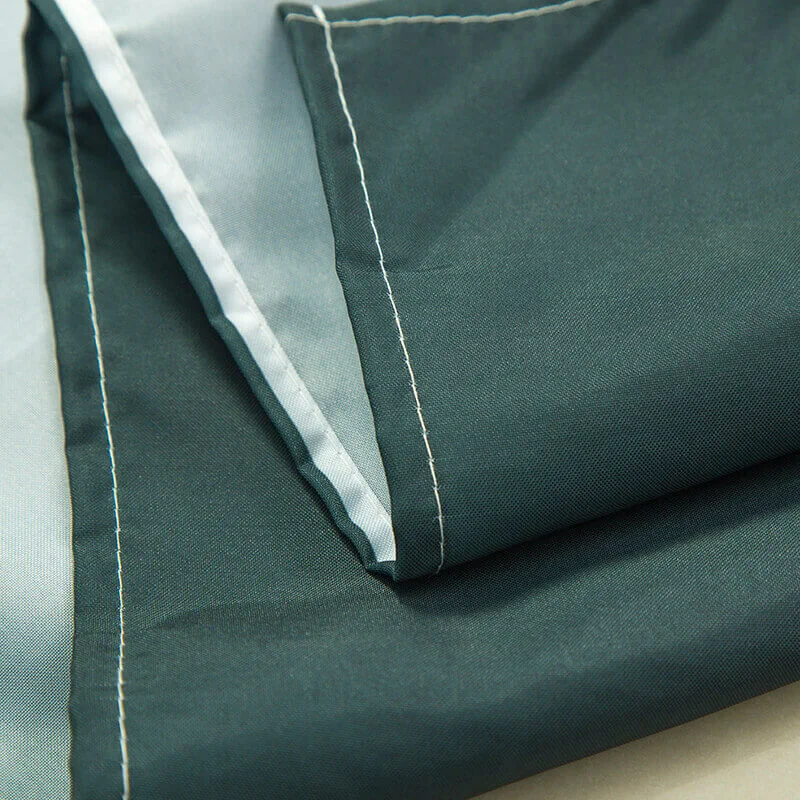
1. PEVA Shower Curtains
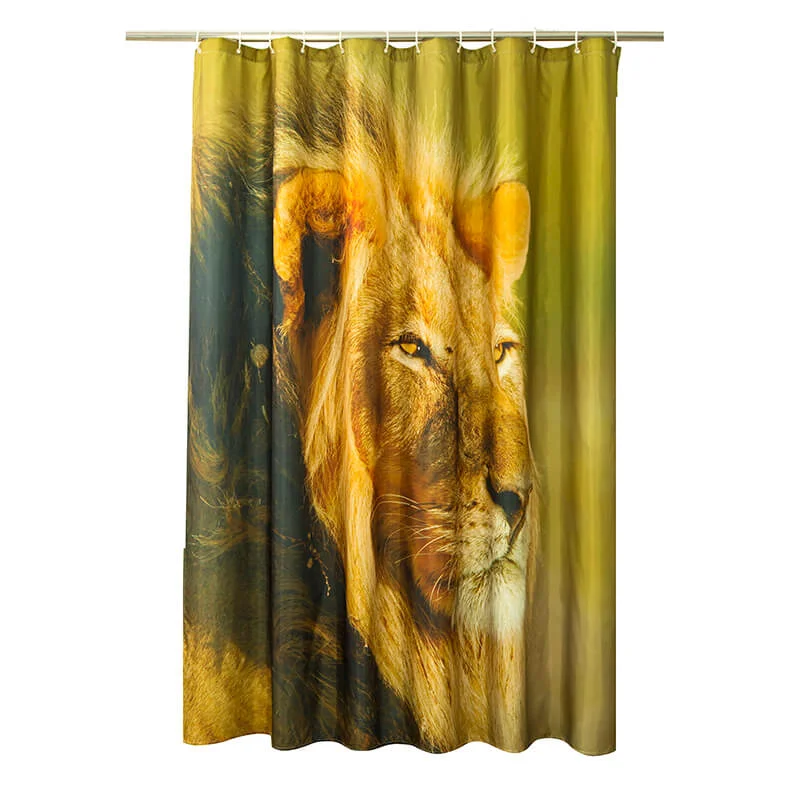
PEVA (polyethylene vinyl acetate) is one of the most popular modern shower curtain materials, and for good reason.
Pros:
- 100% waterproof: Doesn’t need a separate liner in most cases
- Eco-friendly alternative to PVC: Chlorine-free, better for indoor air quality
- Easy to clean: Wipe clean with a sponge or mild soap
- Lightweight and flexible: Glides smoothly along the curtain rod
- Affordable: Generally $20-$40
Cons:
- Not as durable as vinyl: Can develop mold at the bottom after prolonged use
- Less decorative options: Fewer pattern choices compared to polyester
Best for: People who want a waterproof, low-maintenance option without the potential health concerns of PVC/vinyl.
2. Polyester Shower Curtains
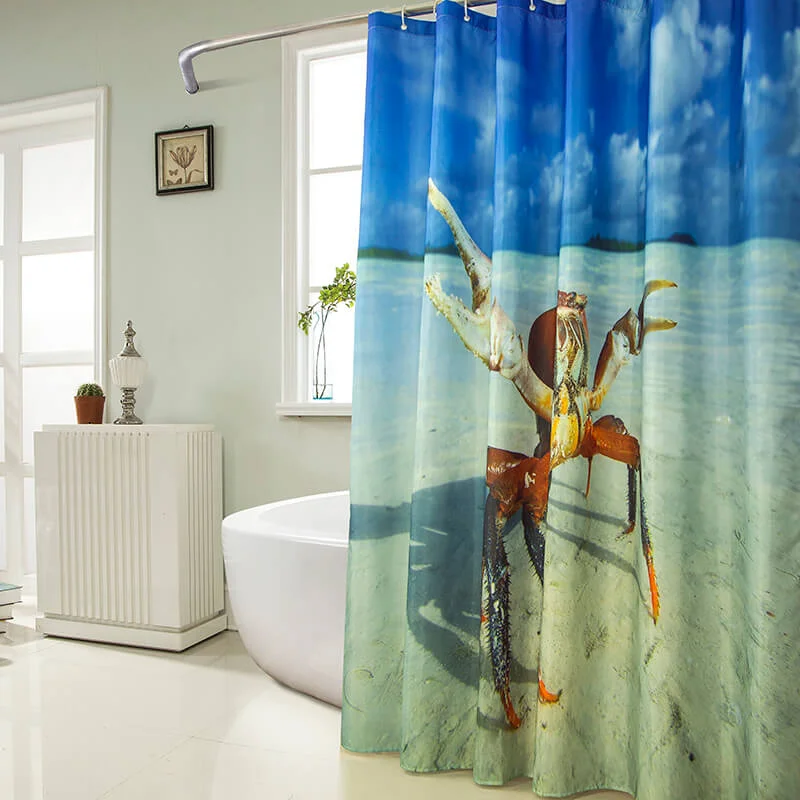
Polyester is by far the most common fabric shower curtain material on the market today.
Pros:
- Huge variety of colors and patterns: Endless design options to match any bathroom decor
- Water-resistant: Resists water and mildew better than natural fabrics
- Machine washable: Easy to clean at home
- Holds its shape: Resists wrinkles and shrinking
- Mid-range price: Typically $25-$60
Cons:
- Requires a liner: Not 100% waterproof on its own
- Can retain moisture: Needs to be dried completely after showers to prevent mildew
- Synthetic material: Some people prefer natural fabrics
Best for: Anyone who wants lots of design options and doesn’t mind using a liner. The most versatile choice for most bathrooms.
3. Cotton / Cotton-Blend Shower Curtains
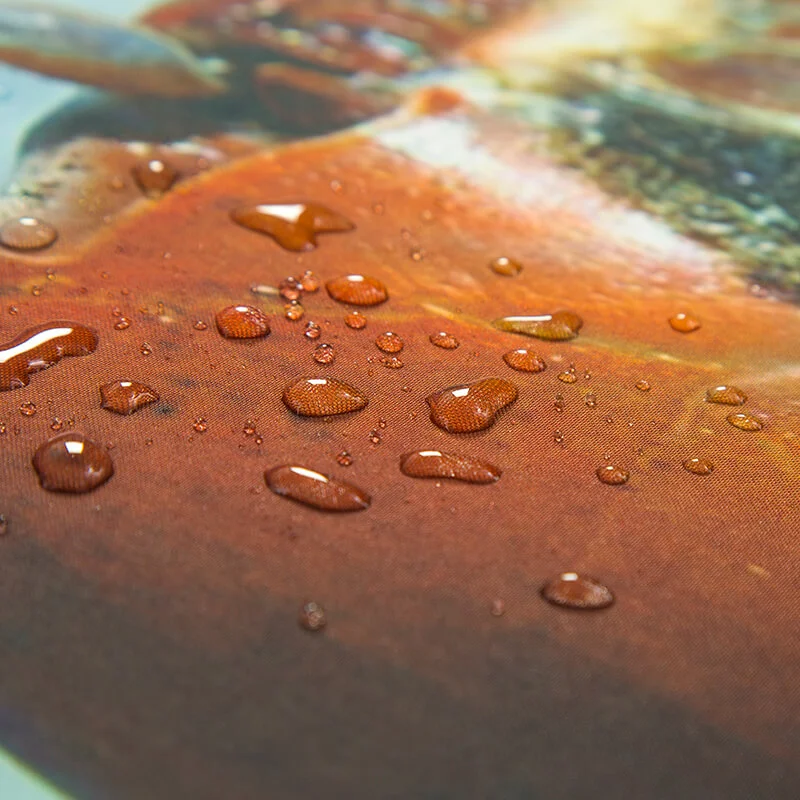
Natural cotton and cotton-blend shower curtains offer a soft, luxurious look that synthetic materials can’t match.
Pros:
- Beautiful natural texture: Adds warmth and texture to bathroom decor
- Breathable: Doesn’t trap as much condensation as fully synthetic materials
- Machine washable: Easy to clean at home
- Customizable: Available in many artisanal and custom designs
Cons:
- Absolutely requires a liner: Not water-resistant at all
- Prone to mildew: Needs more frequent washing to prevent mold growth
- Can wrinkle: May need ironing after washing
- More expensive: Usually $50-$100+
Best for: People who prioritize natural materials and aesthetics over low maintenance. Perfect for larger bathrooms with good ventilation.
4. Vinyl / PVC Shower Curtains
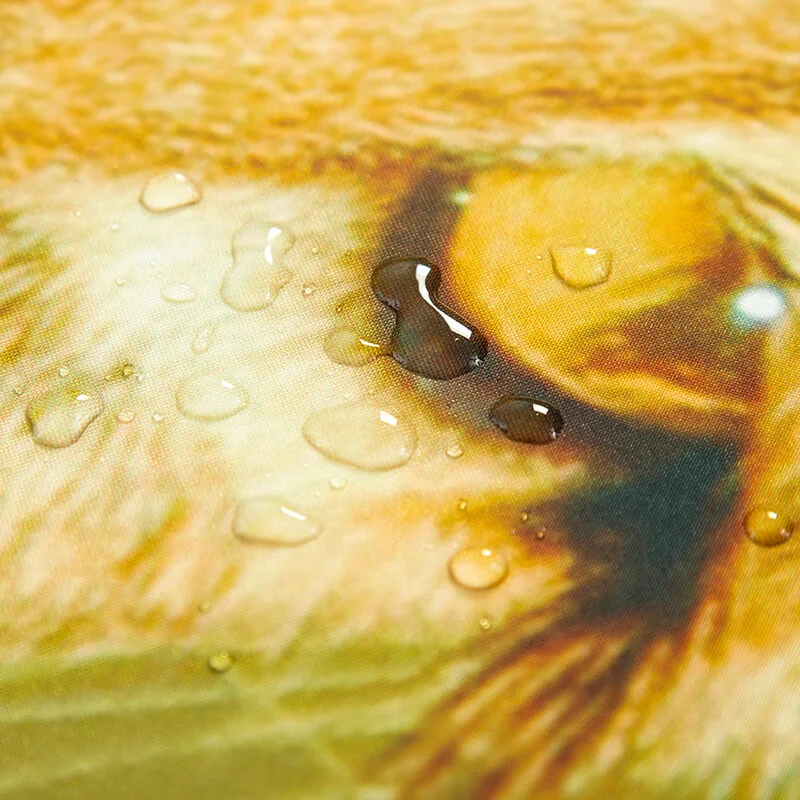
Vinyl (PVC) is the traditional waterproof shower curtain material that’s been used for decades.
Pros:
- 100% waterproof: No liner needed for basic use
- Extremely durable: Can last for many years with proper care
- Very affordable: Often under $20
- Easy to wipe clean: No washing required
Cons:
- Environmental and health concerns: Contains chlorine and can off-gas volatile organic compounds (VOCs)
- Plastic feel: Less attractive than fabric options
- Heavy: Can be stiff and difficult to move
Best for: Rental properties, guest bathrooms, or anyone on a very tight budget who doesn’t mind the plastic texture. Many people now prefer PEVA as a healthier alternative.
Comparison Chart: How Do They Stack Up?
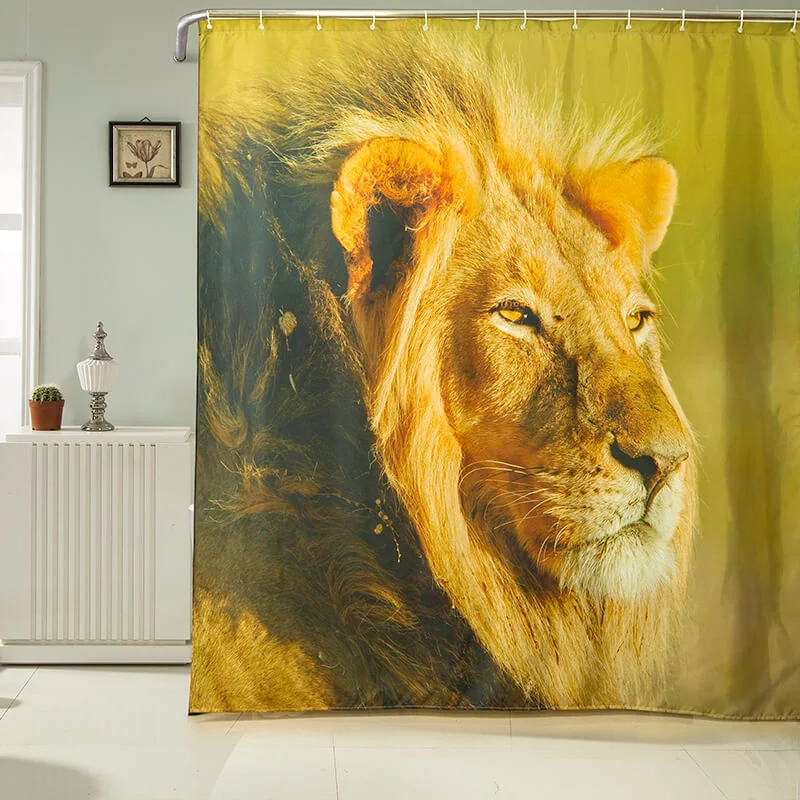
| Material | Waterproof | Needs Liner | Cleaning | Price Range |
|---|---|---|---|---|
| PEVA | ✅ Yes | ❌ No | Wipe clean | $20-$40 |
| Polyester | 🌧️ Water-resistant | ✅ Yes | Machine wash | $25-$60 |
| Cotton | ❌ No | ✅ Yes | Machine wash | $50-$100+ |
| Vinyl/PVC | ✅ Yes | ❌ No | Wipe clean | $10-$20 |
How to Choose the Right Material for Your Bathroom
Ask yourself these questions to narrow down your choice:
- Do you want to use a liner? If you hate liners and want something you can hang and go, choose PEVA or vinyl.
- How important is design variety? Polyester gives you by far the most options for colors and patterns.
- Do you prefer natural materials? Go with cotton, but be prepared to use and replace a liner regularly.
- What’s your budget? Vinyl is cheapest, PEVA is mid-range, cotton is most expensive.
- How’s the ventilation in your bathroom? If you have poor ventilation, avoid cotton — it will develop mildew faster.
Tips for Making Your Shower Curtain Last Longer
- Air it out: Leave the curtain pulled open after your shower to let it dry completely
- Clean regularly: Wipe synthetic curtains monthly, wash fabric curtains every 3-6 months
- Use a liner even if it’s not required: Adding a cheap liner to your fabric curtain will double its lifespan
- Replace when needed: Most shower curtains last 12-24 months — replace them when you see permanent mildew stains
Conclusion
There’s no one “best” shower curtain material — it all depends on your priorities. For most people, a good quality polyester curtain with a PEVA liner hits the sweet spot between design options, durability, and price. If you want something completely waterproof without a liner, go for PEVA. If you value natural materials and aesthetics, cotton is worth the extra maintenance.
Whatever material you choose, remember that a shower curtain is relatively inexpensive and easy to replace — so you can always change it down the road if your needs or decor change.