
Fleece is one of the most popular blanket materials on the market — but not all fleece is created equal. From ultra-soft microfleece to thick, cozy sherpa, the term “fleece” actually covers several distinct fabric types, each with its own weight, texture, warmth level, and best use case.
In this guide, we break down the five most common fleece blanket fabrics — Micro Fleece, Polar Fleece, Sherpa Fleece, French Terry, and Recycled Fleece — so you can choose the perfect one for your needs.
What Is Fleece?
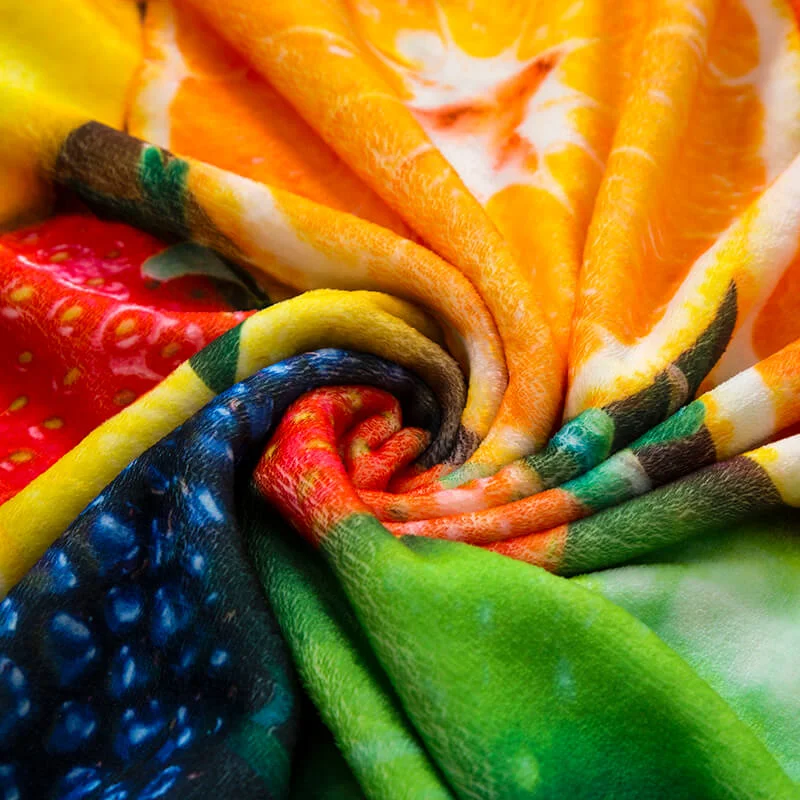
Fleece is a synthetic fabric made primarily from polyester fibers. It was invented in the 1970s as a lightweight alternative to wool, and it has since become one of the most popular blanket materials worldwide. The key advantage of fleece is that it provides warmth similar to wool but at a fraction of the weight, and it dries much faster.
Fleece is made by knitting polyester fibers into a base fabric, then brushing the surface to create a soft, fuzzy texture. The brushing process lifts fibers from the surface, creating tiny air pockets that trap body heat. The density and length of these fibers determine the type of fleece.
Micro Fleece — Lightweight, Ultra-Soft, Breathable
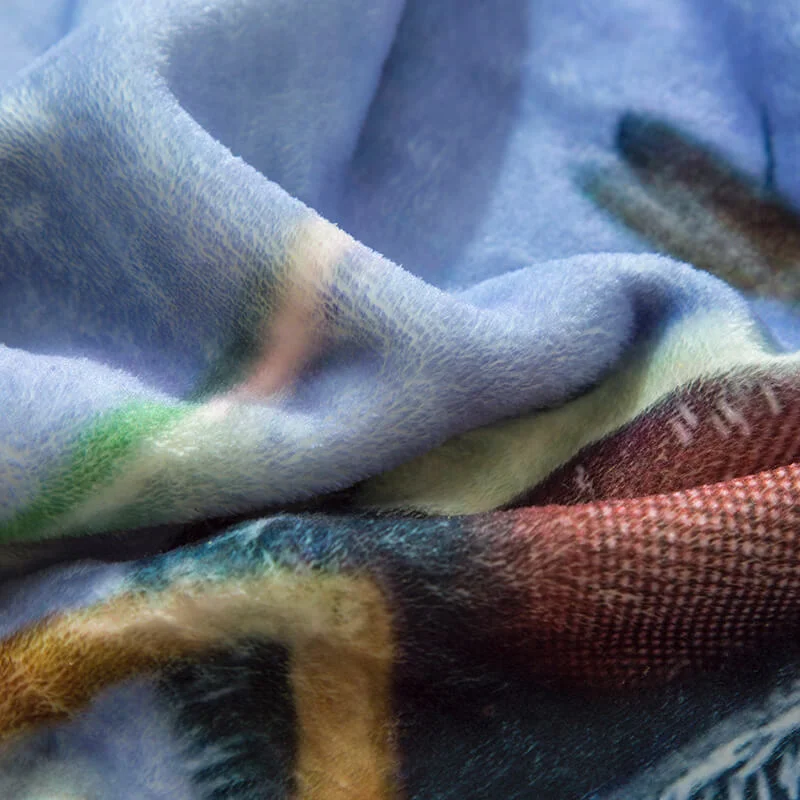
Micro fleece is the lightest and thinnest type of fleece. It gets its name from the extremely fine fibers used in its construction (typically less than 1 denier per filament). Micro fleece is brushed on one or both sides to create a smooth, velvety surface that’s incredibly soft to the touch.
Key Characteristics
- Weight: 100–180 gsm (grams per square meter) — the lightest fleece option
- Thickness: Very thin — about the same as a cotton t-shirt
- Softness: Exceptional — often described as “buttery” or “silky”
- Breathability: Excellent — allows air circulation, reducing overheating
- Drying time: Very fast — dries in 1–2 hours after washing
Best Uses
- Layering under heavier blankets in winter
- Light summer blankets or throws
- Travel blankets (packs small, weighs almost nothing)
- Baby blankets and children’s bedding (ultra-soft on sensitive skin)
- Base layer blankets for dogs and pets
Pros & Cons
Pros: Extremely soft, lightweight, breathable, fast-drying, packable, affordable, hypoallergenic, machine washable.
Cons: Not very warm on its own, may pill over time with frequent washing, less durable than heavier fleece types, can generate static electricity in dry conditions.
Who should choose micro fleece: You sleep warm, you want a blanket for layering, you need something lightweight for travel or summer use, or you have sensitive skin.
Polar Fleece — Mid-Weight, Warm, Versatile
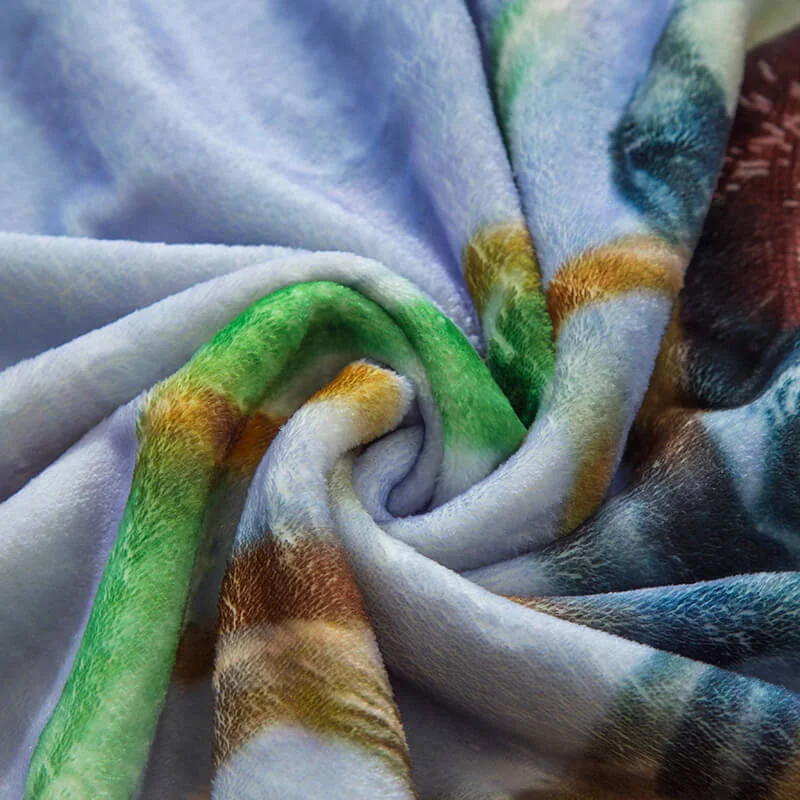
Polar fleece is the most common type of fleece and the one most people think of when they hear “fleece blanket.” It uses thicker fibers (typically 2–4 denier) that are brushed on both sides to create a dense, plush surface. The result is a mid-weight fabric that provides excellent insulation while remaining breathable.
Key Characteristics
- Weight: 200–300 gsm — the standard “blanket weight” fleece
- Thickness: Medium — comparable to a light sweater
- Softness: Very soft — plush on both sides
- Warmth: Good — traps body heat effectively while still breathing
- Durability: Excellent — resists pilling and wear better than micro fleece
Best Uses
- Everyday couch throws and TV blankets
- General home use — living room, bedroom, guest room
- Camping and outdoor activities (packs reasonably well)
- School or office blankets (not too heavy, not too light)
- Matching sets with pillow covers
Pros & Cons
Pros: Very warm, soft and comfortable, durable, easy to care for (machine washable), affordable, widely available in many colors and prints, versatile for all seasons.
Cons: Heavier than micro fleece, not as breathable, may shed small fibers (microplastics) during washing, can pill over time in high-friction areas.
Who should choose polar fleece: You want an all-purpose blanket for home use, you need something warm but not too heavy, or you want a blanket you can use both indoors and outdoors.
Sherpa Fleece — Heavy, Plush, Extra Warm
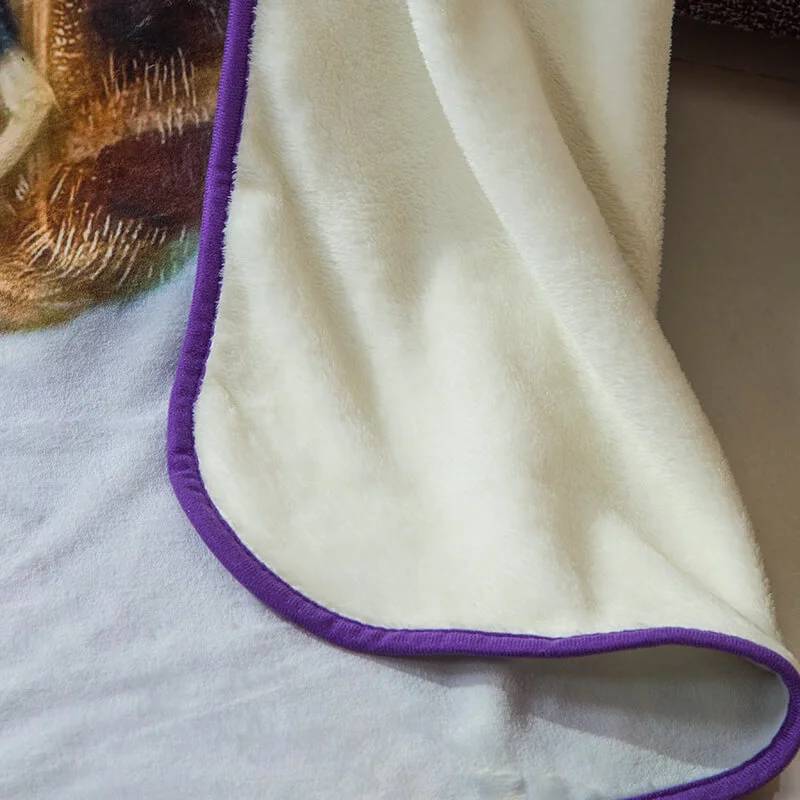
Sherpa fleece is designed to mimic the look and feel of sheepskin or wool shearling. It features a distinctive long, curly pile on one side (the “sherpa” side) and a smooth, velvety finish on the reverse. Sherpa is the heaviest and warmest type of fleece, created with thick, high-loft fibers that trap maximum body heat.
Key Characteristics
- Weight: 300–450+ gsm — the heaviest fleece type
- Thickness: Thick — 1/2 inch or more of loft
- Texture: Curly, wool-like surface on one side; smooth on the other
- Warmth: Maximum — excellent insulation, similar to a light down comforter
- Cozy factor: Extremely high — the most “snuggly” fleece type
Best Uses
- Cold winter nights — replaces a bulky comforter
- Bedding toppers — layered with sheets for extra warmth
- Decorative throws in living rooms (the texture adds visual interest)
- Gifts — sherpa blankets are popular as presents due to their luxurious feel
- Outdoor lounging in cold weather (patio, camping)
Pros & Cons
Pros: Extremely warm and cozy, luxurious look and feel, excellent insulation, non-shedding when well-made, machine washable, retains softness after many washes.
Cons: Heavy and bulky, difficult to pack/travel with, not ideal for warm sleepers, longer drying time, more expensive than polar fleece, may shed fibers initially if lower quality.
Who should choose sherpa fleece: You get cold easily, you love a heavy, snuggly blanket, you want a decorative throw with texture, or you’re looking for a winter-weight bedding layer.
French Terry Fleece — Casual, Absorbent, Everyday Comfort
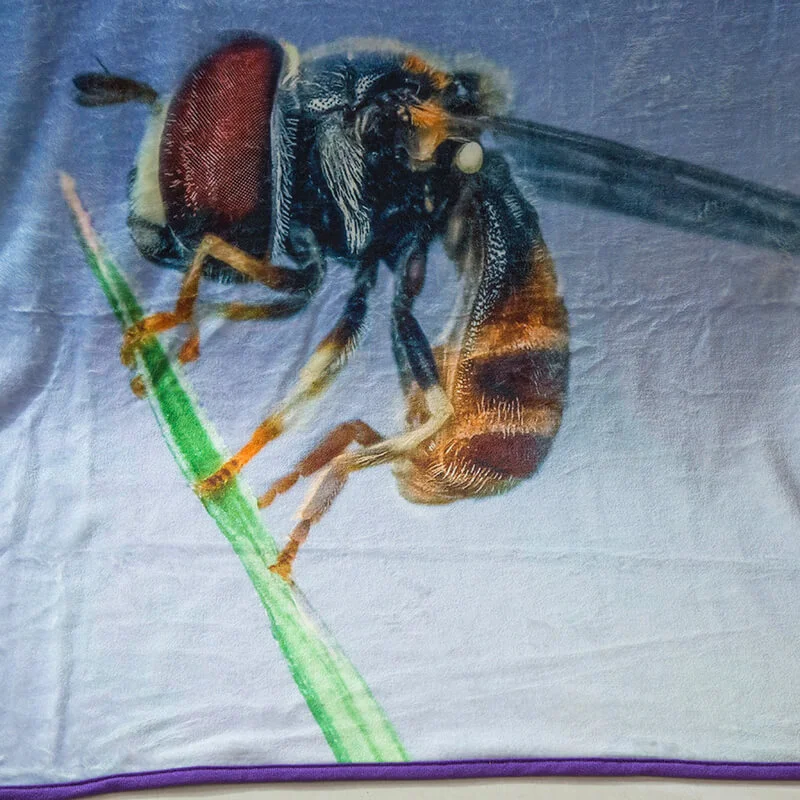
French terry is a knit fabric with loops on one side and a smooth surface on the other. Unlike brushed fleece, the looped side is left unbrushed, which gives French terry a distinctive texture reminiscent of terry cloth towels. It’s a lighter, more breathable option that sits somewhere between micro fleece and polar fleece in terms of warmth.
Key Characteristics
- Weight: 180–250 gsm — lighter than polar but heavier than micro
- Thickness: Medium-thin — lies flat without much loft
- Texture: Smooth face with looped back; not fuzzy like other fleece types
- Warmth: Moderate — breathable and comfortable for mild temperatures
- Absorbency: Good — the looped structure absorbs moisture (unlike typical fleece)
Best Uses
- Year-round use in moderate climates
- Spring and autumn blankets — not too warm, not too cool
- Bed sheets and pillowcases (French terry is also used for bedding)
- Loungewear blankets — comfortable against skin for all-day use
- Children’s blankets (breathable and less likely to overheat)
Pros & Cons
Pros: Breathable and comfortable, good moisture management, lies flat (doesn’t bunch up), versatile for all seasons, durable, less prone to pilling than brushed fleece.
Cons: Less warm than polar fleece, the looped back can snag on jewelry or rough surfaces, not as soft as brushed fleece, less common in retail blanket aisles.
Who should choose French terry fleece: You sleep warm or live in a mild climate, you prefer a flat, non-bulky blanket, or you want something that breathes well for all-day lounging.
Recycled Fleece — Eco-Friendly, Sustainable, Performance-Grade
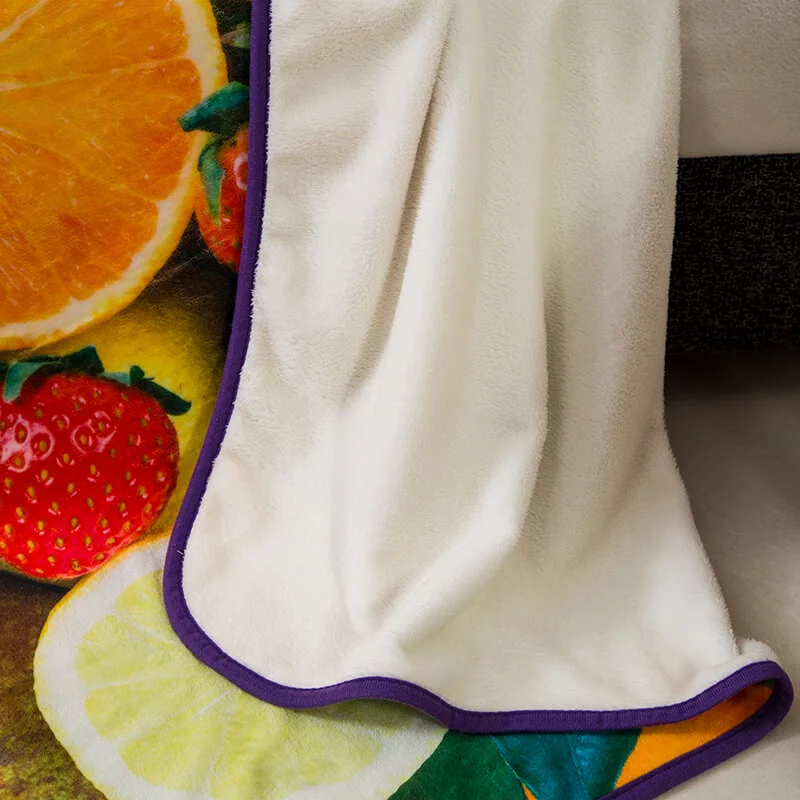
Recycled fleece is made from post-consumer plastic bottles (PET) or post-industrial polyester waste. The plastic is cleaned, melted down, and spun into new polyester fibers that are then made into fleece fabric. Today, many major brands — including Patagonia, The North Face, Polartec, and many blanket manufacturers — use recycled fleece as a more sustainable alternative to virgin polyester fleece.
Key Characteristics
- Weight: Varies — recycled fleece is available in micro, polar, and sherpa weights
- Thickness: Depends on the type — same as virgin fleece equivalents
- Softness: Comparable to virgin fleece of the same type
- Environmental impact: Significantly lower — uses 50–70% less energy to produce
- Performance: Identical to virgin fleece in warmth, durability, and care
Environmental Benefits
- Each pound of recycled fleece diverts approximately 10–15 plastic bottles from landfills
- Produces 50% fewer greenhouse gas emissions compared to virgin polyester
- Uses significantly less water and energy in manufacturing
- Reduces dependence on petroleum-based raw materials
- Can often be recycled again at end of life
Pros & Cons
Pros: Environmentally friendly, identical quality to virgin fleece, supports circular economy, available in all typical fleece weights and styles, often more affordable than premium virgin fleece brands.
Cons: May have slightly less consistent color (natural variation in recycled materials), limited color options in some product lines, still sheds microplastics in washing (use a Guppyfriend bag), slightly higher initial cost in some cases.
Who should choose recycled fleece: You’re environmentally conscious, you want sustainable home goods, or you want premium fleece quality with a lower ecological footprint.
Fleece Comparison Chart
| Fabric Type | Weight (gsm) | Warmth | Softness | Best Season | Best Use |
|---|---|---|---|---|---|
| Micro Fleece | 100–180 | ⭐ Low | ⭐⭐⭐⭐⭐ | Spring / Summer | Layering, travel, baby |
| Polar Fleece | 200–300 | ⭐⭐⭐ Medium | ⭐⭐⭐⭐ | All seasons | Everyday home use |
| Sherpa Fleece | 300–450+ | ⭐⭐⭐⭐⭐ High | ⭐⭐⭐⭐⭐ | Autumn / Winter | Winter nights, decor |
| French Terry | 180–250 | ⭐⭐ Low-Med | ⭐⭐⭐ | Spring / Autumn | Loungewear, mild weather |
| Recycled Fleece | Varies | Matches type | ⭐⭐⭐⭐ | All seasons | Eco-friendly choice |
How to Choose the Right Fleece Blanket
Consider Your Climate
- Cold winters, cool summers: Polar fleece for year-round use, plus a sherpa blanket for the coldest months.
- Mild year-round: French terry or micro fleece — light enough to use in all seasons.
- Hot summers, cold winters: Micro fleece for summer layering, sherpa for winter.
- Humid climates: French terry or micro fleece — more breathable options reduce moisture buildup.
Consider Your Sleeping Temperature
- Hot sleeper: Micro fleece or French terry — light and breathable.
- Average sleeper: Polar fleece — the most balanced option.
- Cold sleeper: Sherpa fleece — maximum warmth.
- Couples with different preferences: One polar fleece + one micro fleece throw for individual comfort adjustment.
Consider Where You’ll Use It
- Living room / couch throw: Polar fleece or sherpa fleece (cozy and decorative).
- Bedroom / bedding: Polar fleece or sherpa fleece for warmth; French terry for lighter use.
- Travel / outdoor: Micro fleece (packs smallest and dries fastest).
- Kids room / nursery: Micro fleece (softest and safest for sensitive skin).
- Pet blanket: Polar fleece (durable and easy to wash).
- Eco-conscious home: Recycled fleece in any weight or style.
Care Tips for Different Fleece Types
All fleece types share similar care requirements, but there are a few differences worth noting:
- Washing: Machine wash all fleece types in cold or warm water (not hot). Use a gentle cycle to reduce fiber shedding.
- Detergent: Use mild liquid detergent. Avoid fabric softener — it coats the fibers and reduces softness and breathability.
- Drying: Tumble dry on low heat. Micro fleece dries in about 20 minutes; sherpa fleece may take 40–50 minutes. Remove promptly to prevent wrinkles.
- Microplastics: To reduce microplastic pollution, wash fleece in a Guppyfriend bag or use a washing machine with a microfiber filter. Air drying also reduces shedding.
- Pilling: If pilling occurs, use a fabric shaver to remove pills. Polar fleece is most resistant to pilling; micro fleece is most prone.
- Bleach: Never use chlorine bleach on any fleece type. It damages the fibers and can cause yellowing.
Final Verdict
There’s no single “best” fleece blanket fabric — the right choice depends entirely on how you plan to use it:
- For everyday home use: Polar fleece is the winner — versatile, warm, durable, and affordable.
- For maximum warmth and coziness: Sherpa fleece can’t be beaten.
- For travel, summer, or layering: Micro fleece is the perfect lightweight option.
- For mild weather and casual lounging: French terry offers breathable comfort.
- For eco-conscious shoppers: Recycled fleece delivers the same performance with a smaller footprint.
If you’re still unsure, start with a polar fleece blanket — it’s the most popular choice for a reason. Then add a sherpa or micro fleece blanket later to cover the temperature extremes of different seasons. A well-curated collection of just two or three fleece types will keep you comfortable all year round.