
A shower curtain is one of the most used items in your bathroom — it protects floors, keeps water in, and adds style to your space. But to keep it looking good and working well, proper installation and regular maintenance are key. This guide walks you through everything from hanging your curtain correctly to cleaning and extending its life.
Part 1: How to Install a Shower Curtain the Right Way

1. Measure Your Shower Area
Before buying or installing, measure the width and height of your shower or bathtub opening. Standard shower curtains are 72 inches wide by 72 or 74 inches tall, but if you have a wider tub or a curved rod, you may need a longer or wider curtain. Always measure twice — a curtain that’s too short leaves puddles on the floor.
2. Choose Your Rod Type
There are two main types of shower rods:
- Straight rods — Simple, affordable, and easy to install. Best for standard tubs and showers.
- Curved (C-shaped) rods — Give you extra elbow room inside the shower. They attach to the wall on both ends and bow outward. Ideal for small bathrooms where every inch counts.
Tension rods (no drilling needed) are a great option for renters. Spring-loaded, they fit snugly between two walls without screws.
3. Select Your Hooks or Rings
Shower curtain hooks come in many styles:
- Metal hooks (stainless steel or chrome) — Durable, rust-resistant, and sleek. Best for long-term use.
- Plastic hooks — Budget-friendly, won’t rust, but may become brittle over time.
- Roller rings — Glide smoothly along the rod, making it easy to open and close the curtain.
- Clip rings — Double-duty: hold both the decorative curtain and the liner on the same rings.
4. Use a Liner (Yes, Always)
A waterproof liner is essential — it’s the real barrier between water and your bathroom floor. The decorative curtain is for looks; the liner does the work. Replace liners every 3-6 months, or wash them if the care label allows. Look for PEVA or EVA liners — they’re PVC-free and more eco-friendly.
5. Hang It at the Right Height
The curtain should hang 1-2 inches above the tub rim to keep water inside. If it drags on the tub floor, it will get dirty faster and can trap mildew. If it’s too high, water splashes out. Aim for a clean 1-inch clearance between the bottom of the curtain and the tub.
Part 2: Daily Shower Curtain Maintenance
After Every Shower
- Spread the curtain out — Don’t leave it bunched up. Pull it closed (or open) so air can circulate on all surfaces.
- Shake off excess water — A quick shake removes droplets that would otherwise sit on the fabric.
- Keep the bathroom ventilated — Run the exhaust fan for 15-20 minutes after showering, or crack a window. Good airflow is your best defense against mold and mildew.
Weekly Care
Once a week, spray the curtain and liner with a mixture of equal parts water and white vinegar. Let it sit for 5 minutes, then rinse. This kills mild spores before they become visible stains. A simple spray bottle makes this a 30-second habit.
Part 3: Deep Cleaning Shower Curtains
Machine Washing (Fabric Curtains)
Most polyester, cotton, and blend shower curtains are machine washable:
- Remove hooks and separate the liner from the decorative curtain.
- Wash on a gentle cycle with warm water and mild detergent.
- Add 1/2 cup of white vinegar to the rinse cycle — it naturally kills mildew and softens the fabric.
- Add 1/2 cup of baking soda to the wash cycle for extra stain-fighting power (optional).
- Tumble dry on low heat or hang to dry. Remove promptly to prevent wrinkles.
Hand Washing (PEVA / Plastic Liners)
PEVA and plastic liners shouldn’t go in the washing machine — the agitation can tear them. Instead:
- Fill a bathtub with warm water and add 1 cup of baking soda + 1/2 cup of vinegar.
- Submerge the liner and scrub with a soft sponge or cloth.
- Rinse thoroughly with clean water.
- Hang the liner back on the rod to drip dry. Do not wring or twist — it can create permanent creases.
Removing Mildew and Soap Scum
For stubborn mildew spots or soap scum buildup:
- White vinegar soak — Soak the curtain in a vinegar-water solution (1:1 ratio) for 30 minutes, then scrub.
- Hydrogen peroxide — Apply 3% hydrogen peroxide directly to mildew spots. Let sit for 10 minutes, then rinse.
- Bleach (only for white curtains) — Mix 1/4 cup bleach with 1 gallon of water. Soak for 15 minutes, then rinse thoroughly. Never use bleach on colored or printed curtains.
Part 4: Care Tips by Shower Curtain Type
PEVA / EVA / Vinyl Curtains
These are the most common budget-friendly options. They’re naturally waterproof but can develop mildew on the surface. Wipe down weekly with a vinegar solution. Replace every 6-12 months. Don’t machine wash — the heat and agitation damage the material.
Polyester Woven Curtains
Durable, machine washable, and available in countless patterns. Polyester resists wrinkles and dries quickly. Wash every 2-3 months on a gentle cycle. These curtains last 1-2 years with proper care. They typically need a separate liner since the woven fabric is not fully waterproof.
Cotton Curtains
Soft, natural, and absorbent — but cotton needs a waterproof liner. Cotton curtains can shrink in hot water, so always wash in cold. Iron on medium heat if wrinkles appear. Replace every 1-2 years.
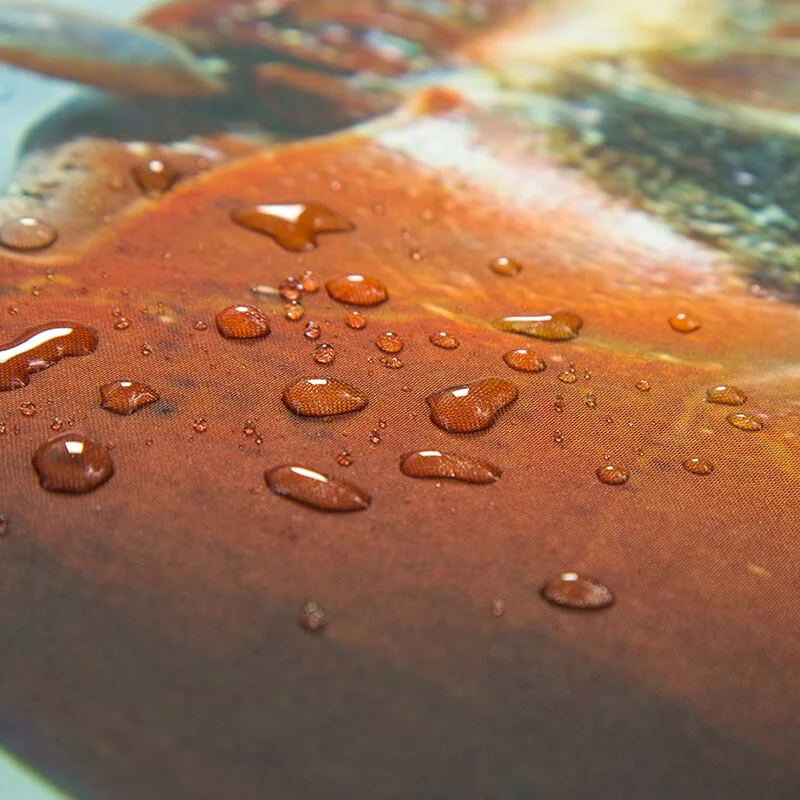
Digital Printed Curtains
Vibrant, full-color prints that add personality to your bathroom. Handle with care:
- Wash inside out in cold water to protect the print.
- Air dry or tumble dry on low — high heat can fade the colors.
- Avoid bleach and harsh detergents.
- With proper care, digitally printed curtains maintain their colors for years.
Part 5: When to Replace Your Shower Curtain
Here are signs it’s time for a new shower curtain:
- Persistent mildew smell — If washing doesn’t remove the musty odor, the spores have penetrated the material.
- Visible mold spots that won’t come out — Dark spots that survive bleach or vinegar treatment.
- Rust on grommets or hooks — Rust stains are permanent and indicate the hardware is deteriorating.
- Fraying edges or tears — Compromised material means the curtain won’t contain water properly.
- Loss of water resistance — If water soaks through the fabric (not the liner), it’s time.
General replacement timeline:
PEVA/vinyl liners: 3-6 months
Decorative polyester curtains: 1-2 years
Cotton curtains: 1-2 years
Premium woven curtains: 2-3 years
Final Thoughts
A little attention goes a long way with shower curtains. Proper installation keeps water where it belongs, and a few minutes of weekly care — spreading the curtain, running the fan, a quick vinegar spray — can double the life of your curtain. Your bathroom will stay cleaner, fresher, and more enjoyable.
Looking for high-quality shower curtains? Browse our collection at ZJMane Shower Curtains and find the perfect style for your bathroom.