
Fleece blankets are wonderfully soft when new — and then, somewhere around the third wash, they start to look tired. Little pills appear. The surface feels scratchy. Static crackles every time you move. Or worse, the blanket develops a smell that washing doesn’t seem to fix.
None of this means your blanket is finished. In almost every case, these problems come from a handful of avoidable care mistakes. This guide covers the fixes for each issue, plus a simple routine that will keep your fleece soft for years.
Why Fleece Misbehaves
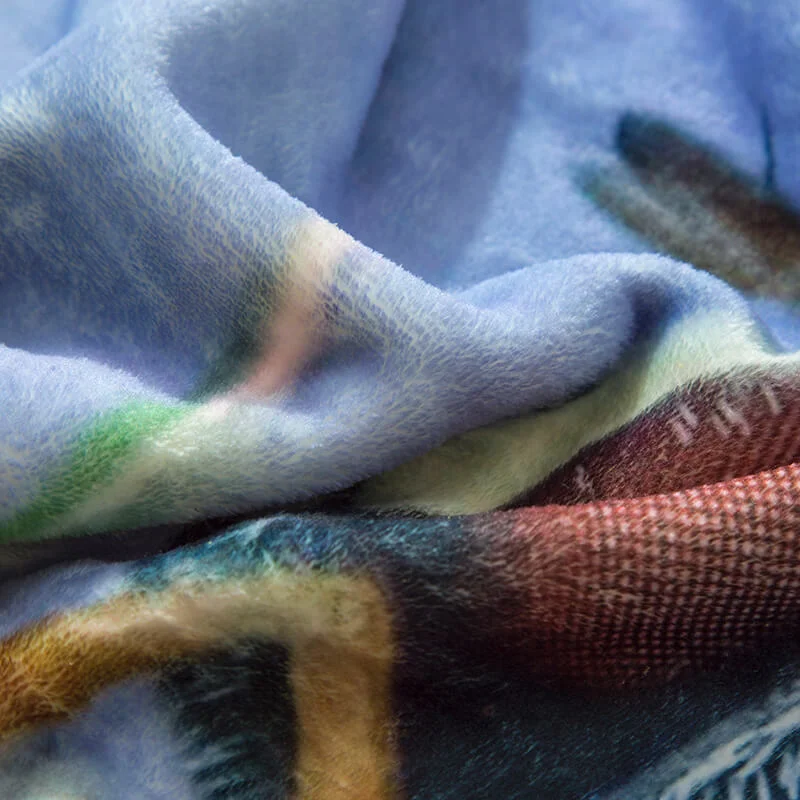
Fleece is a knit fabric made from polyester fibers that have been brushed or napped to create a soft pile. That pile is what makes the blanket feel cozy — and it’s also the part most vulnerable to damage.
Three things break down the pile:
- Friction and abrasion — this breaks individual fibers loose, which then tangle into pills
- Heat — high wash or dryer temperatures melt and mat the fibers permanently
- Trapped moisture — damp fleece grows mildew deep in the pile, which washing alone won’t remove
Everything below is about avoiding those three.
Problem 1: Pilling
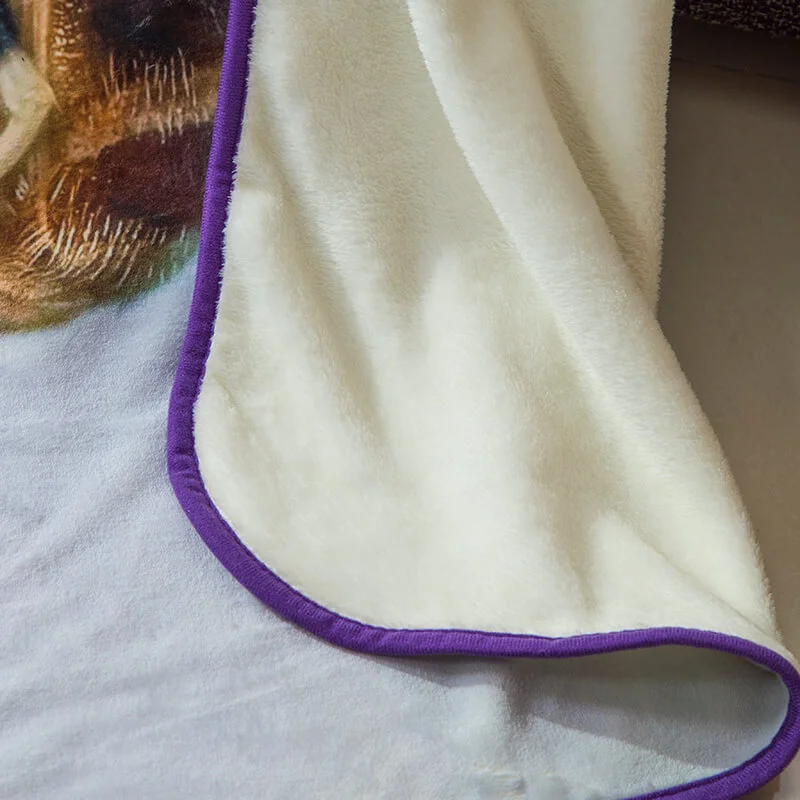
Those small fiber balls are called pills. They form when loose fibers rub against each other and knot up.
How to fix it
- Use a fabric shaver — the most effective tool. Run it gently in a circular motion over the whole surface. A $15 shaver can make a five-year-old blanket look nearly new.
- Do not pull pills off by hand — this pulls more fibers loose and makes it worse
- Trim with small scissors as a fallback for isolated pills
How to prevent it
- Wash fleece on its own or with similar fabrics — zippers, velcro, and heavy jeans act like sandpaper
- Turn the blanket inside out before washing
- Use a gentle or delicate cycle — not permanent press
- Skip fabric softener (more on this below)
Problem 2: Static

Static builds up as the synthetic fibers dry out and rub together. It’s worst in winter, when indoor air is dry.
How to fix it
- Dryer sheets — effective but temporary. Don’t put them directly in the wash
- A damp cloth in the dryer — toss in a slightly damp towel during the last 10 minutes
- Anti-static spray — for a quick fix on blankets used in dry rooms
- Rubber sole ground contact — before folding or laying the blanket, touch a grounded metal object to discharge
How to prevent it
- Raise indoor humidity to 40-50% during winter. A cheap humidifier solves static better than any product.
- Avoid overdrying — remove the blanket while still slightly damp, then air dry fully
Problem 3: That Damp, Musty Smell
The blanket doesn’t smell clean even after washing. This is mildew living in the backing or deep in the pile, and it’s the most common fleece complaint.
How to fix it
- Give it a proper wash first (see the full routine below) — sometimes the smell is just trapped body oils that need detergent and warm water.
- If the smell persists, use a soak: 1/2 cup baking soda or 1 cup white vinegar in a tub of cool water. Soak the blanket for 1-2 hours, then run a normal wash cycle.
- Sun-dry it — nothing kills mildew better than 4+ hours of direct sunlight. The UV does the work. Do this on a clean, dry day.
- If it still smells, check the backing: some fleece blankets have a laminated backing where moisture gets trapped and can’t be removed. In that case the blanket is at the end of its life.
How to prevent it
- Never put a slightly damp fleece away in a drawer or closet — always dry it completely
- Air it out weekly — drape over a chair for a few hours once a week
- Store in a breathable cotton bag, not a plastic vacuum bag, if the blanket is for seasonal storage
The Full Washing Routine
Before washing
- Shake it out outside — removes surface hair and dust before it goes in the machine
- Check the care label — most fleece is machine washable, but a few premium or laminated pieces are dry-clean only
- Pre-treat stains with a small amount of gentle detergent and a soft cloth, working it in from the outside of the stain inward
In the machine
- Temperature: cold to warm (max 30-40°C / 86-104°F). Never hot.
- Cycle: gentle or delicate
- Load: wash the blanket alone or with a couple of similar items. Never pack the machine.
- Detergent: a mild liquid detergent. Skip fabric softener — it coats the fibers, reducing softness and trapping dirt over time.
- Skip bleach — chlorine degrades polyester fibers.
Drying
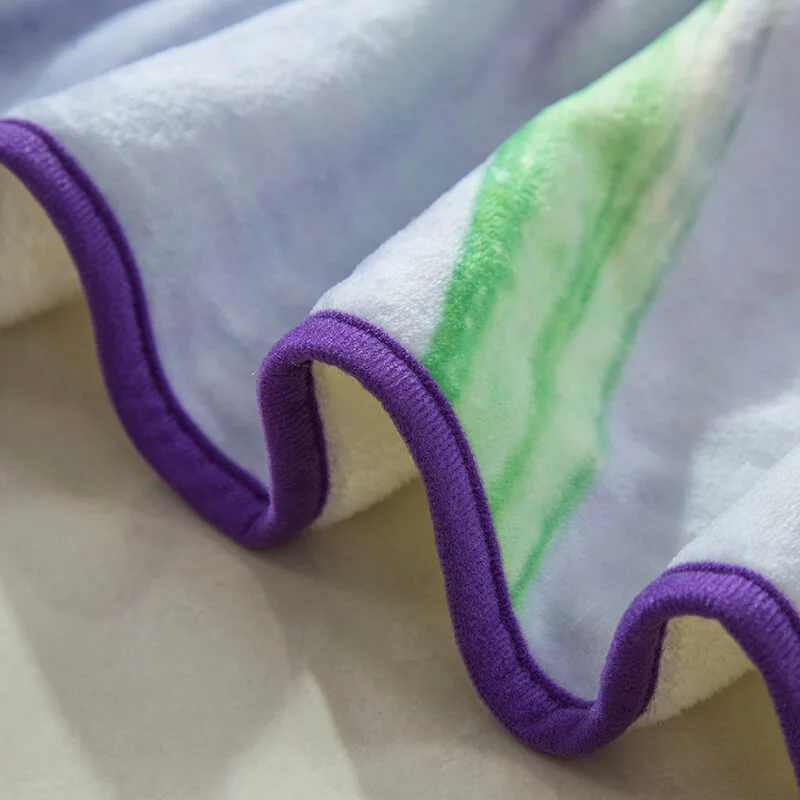
- Air drying is best: lay flat or hang over a wide bar. Avoid hanging by one corner, which stretches the shape.
- If using a dryer: lowest heat setting, remove while still slightly damp.
- Never tumble dry on high — this is the single fastest way to permanently ruin fleece.
- Add dryer balls if you do tumble dry, to keep the fibers from clumping
How Often to Wash
- Everyday use blanket: every 2-3 weeks
- In winter, used daily: every 1-2 weeks
- Guest room blanket: after each guest, or at minimum every 3 months
- Seasonal storage blanket: wash before packing it away, and again before the season starts
Storage Between Seasons
- Wash and dry completely before storing — any body oil left behind attracts insects and mold
- Fold loosely rather than compressing tightly; permanent creases can set into the pile
- Use breathable storage — cotton bags or a clean pillowcase. Avoid plastic bins for long-term storage.
- Add cedar blocks or lavender sachets instead of mothballs, which leave a smell that’s very hard to remove from fleece
- Store in a dry space — avoid basements and garages with humidity swings
How to Restore a Really Tired Fleece Blanket
If the blanket feels stiff, scratchy, and permanently flat, try this last-resort routine before replacing it:
- Wash with a half cup of white vinegar added to the rinse — it strips soap residue that makes fleece feel stiff
- Add half a cup of baking soda to a second wash cycle for odor removal
- Air dry completely in the sun
- Run a fabric shaver over the entire surface
- Brush the pile with a soft bristle brush once dry
This sequence won’t fix melted or burned fibers, but it will recover a surprising number of blankets that were about to be thrown out.
Care Checklist by Fabric Type
| Fleece Type | Wash Temp | Dry Method | Key Care Note |
|---|---|---|---|
| Micro fleece | Cold to 30°C | Air dry | Thin and delicate — wash rarely, gently |
| Polar fleece | Warm, max 40°C | Air or low heat | Most durable — handles frequent washing well |
| Sherpa | Cold, gentle | Air dry only | Pile mats easily — no dryer |
| Flannel fleece | Cold to 30°C | Low heat or air | Brushed surface — shave pills regularly |
| Laminated/backed | Check label | Air dry, flat | Moisture traps at the bond line — dry fast |
Conclusion
Fleece blankets don’t wear out from use so much as from care mistakes. Wash cool, skip the softener, never tumble dry on high, and dry completely before storage — and a quality fleece blanket will stay soft for a decade.
If you’re a retailer or wholesaler, adding a short care insert to your packaging is one of the cheapest ways to reduce returns and improve customer satisfaction. The routine above is short enough to fit on a single card.